Swansea Typography Tshirt Design
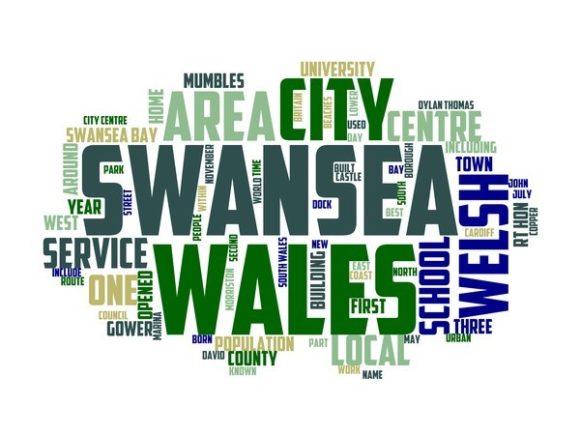
Swansea Typography Tshirt isn’t just a phrase—it’s a vibrant, hand-drawn wordcloud built for real creative work. Think of it as a ready-to-use visual toolkit: bold letters, playful spacing, and a joyful splash of color that feels personal, intentional, and alive. It’s not generic clipart or overused script fonts. This is typography with texture—designed to be printed, layered, scanned, stitched, or digitized across countless surfaces and formats.
Why It Resonates Beyond the T-Shirt
The name might suggest apparel first—but its strength lies in flexibility. A teacher in Cardiff might print it on a classroom poster to spark vocabulary discussions. A small-batch ceramicist in Swansea could trace elements onto mug decals. A freelance graphic designer might drop it into a client’s festival banner as a custom headline anchor. Even a parent making birthday invites can scale it down for a playful header on handmade cards.
What makes it especially useful is how it bridges intention and execution. You don’t need advanced design software to start. The clean vector-style outlines (or high-res PNGs, depending on your file version) hold up whether you’re using Cricut Design Space, Canva, Adobe Illustrator, or even hand-tracing with carbon paper. That accessibility matters—whether you're sketching ideas at 7 a.m. before work or refining a brand identity late at night.
Beginners & Hobbyists
If you’re just starting out—maybe stitching your first tote bag or printing a gift for a friend—you’ll likely value clarity and low friction. Swansea Typography Tshirt gives you an instant focal point without needing to choose fonts, adjust kerning, or second-guess color harmony. You can drag it into a free app like Photopea or Canva, resize it over a plain t-shirt mockup, and have something shareable in under five minutes. No design theory required—just curiosity and a printer or local print shop.
Educators & Community Organisers
In classrooms or workshops, visual language builds connection fast. One primary school teacher used the wordcloud as a “word wall” starter: students added their own definitions or illustrations around each term. Another youth group leader turned it into a collaborative mural—printing sections on A3 paper, letting teens colour them in, then assembling the full piece on a community centre wall. For this audience, the value isn’t in polish—it’s in invitation, adaptability, and emotional warmth.
Small Business Owners & Makers
When you run a craft stall, pop-up shop, or online store, consistency matters—but so does speed. Swansea Typography Tshirt helps maintain a recognisable visual tone across packaging, social posts, and in-store signage without hiring a designer every time. A Welsh honey producer, for example, layered part of the wordcloud over a honeycomb pattern on jar labels. A Cardiff-based bookbinding studio used select words (“story”, “bound”, “page”) as foil-stamped accents on notebook covers. Here, reliability and commercial reuse rights are key—so always check your license terms before scaling production.
Designers & Marketers
Professionals often look beyond surface charm—they assess structure, layering potential, and integration depth. Is the spacing generous enough for text wrap? Can individual words be isolated cleanly for animation or motion graphics? Does the colour palette align with accessible contrast standards for web use? Many designers treat it as a “base layer”: dropping it into layouts as a textured background, applying duotones, or converting it to paths for custom lettering variations. Its hand-drawn quality adds humanity to otherwise clinical digital campaigns—especially effective for wellness brands, indie publishers, or education platforms aiming for approachability.
Textile & Product Designers
For those working with fabric, ceramics, or stationery, scalability and repeat behaviour matter. The wordcloud’s organic flow translates well to all-over textile prints (think scarves or cushion covers), but works equally well as a single focal motif on a tote or enamel pin. One textile artist tested it across three fabric types—cotton canvas, linen blend, and recycled polyester—and found the line weight held up consistently in screen printing and heat transfer. If you're evaluating it for physical goods, test a small run first: check how fine details render at your chosen size and process.
What to Consider Before You Use It
Not every project needs the same thing—and that’s okay. Ask yourself:
- Ease of use? If you’re using Canva or basic photo editors, go for the PNG version with transparent background. Vector files (SVG/EPS) shine in professional tools but may feel overwhelming if you’ve never adjusted anchor points.
- Commercial scope? Check licensing. Some versions allow unlimited personal and commercial use; others restrict resale of standalone digital files. If you’re selling printed notebooks or downloadable planners, confirm your package includes extended rights.
- Creative fit? Does its energy match your message? It’s joyful and open-ended—not sleek, minimalist, or corporate. That’s a strength for festivals, classrooms, or artisan brands—but may feel mismatched for law firms or financial services.
- Long-term usefulness? Because it’s hand-drawn—not algorithm-generated—it avoids looking dated quickly. You can reinterpret it across seasons: swap colours for holidays, add seasonal icons, or pair it with different typefaces to shift tone while keeping core recognition.
Real Projects, Real Results
A Cardiff-based literacy charity used Swansea Typography Tshirt as the centrepiece for a summer reading challenge poster. They kept the original colours but added child-drawn stars around key words like “read”, “imagine”, and “share”. Printed on recycled paper and pinned in libraries, it sparked more sign-ups than their previous typographic posters.
A freelance illustrator building her portfolio embedded parts of the wordcloud into a series of greeting cards—cutting out “hello”, “thank you”, and “celebrate” to layer over watercolour backgrounds. Clients responded strongly to the tactile, human-made feel—even though the base element was digital.
A university lecturer in Swansea created a reusable slide template for student presentations. She placed the wordcloud lightly behind title slides, adjusting opacity so it framed content without competing. Students reported feeling more inspired to write boldly—and less intimidated by blank slides.
None of these uses required coding, subscriptions, or design degrees. Just attention, intention, and a willingness to try.
Does It Fit Your Next Step?
You don’t need to know everything upfront. If you’re drawn to its warmth, its versatility, or the way it balances structure and spontaneity—that’s a meaningful signal. Try it in one small, low-risk way first: print it on cardstock and cut out a few words for a mood board. Drop it into a social post draft. Trace it onto fabric with chalk. See how it feels in your hands, in your workflow, in your voice.
Swansea Typography Tshirt doesn’t promise perfection. It offers possibility—grounded, colourful, and quietly confident. And sometimes, that’s exactly what a project, a classroom, or a quiet Saturday afternoon needs.