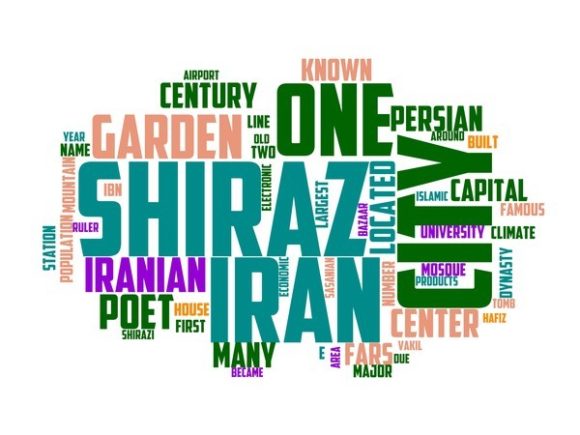
Shiraz Typography Background
Shiraz Typography Background is a hand-drawn, vibrant wordcloud design rooted in Persian calligraphic tradition—yet reimagined with playful color, organic line work, and intentional spacing. Unlike rigid digital fonts or algorithm-generated clouds, it’s crafted by hand: each word flows into the next with subtle variation in weight, angle, and hue. The result feels personal, warm, and culturally resonant—without requiring knowledge of Persian script to appreciate its rhythm and balance.
Why It Resonates Across Different Goals
What makes Shiraz Typography Background useful isn’t just how it looks—it’s how it adapts. A graphic designer might reach for it to add texture and narrative depth to a client’s brand refresh. A textile artist may scan and scale it for screen-printing on linen tote bags. A teacher could print it as a classroom poster highlighting values like “curiosity,” “kindness,” and “resilience”—each word sized to reflect emphasis, not frequency. Its flexibility comes from being both a visual motif and a storytelling tool.
For Beginners Who Want to Create Without Overthinking
If you’re new to design—or simply want to make something beautiful without learning software shortcuts—Shiraz Typography Background lowers the barrier. You don’t need vector skills or typography theory to use it. Drag it into Canva, layer it over a photo in Photoshop, or trace it by hand onto fabric with water-soluble marker. Its hand-drawn nature forgives imperfect alignment and slight scaling. One beginner used it as a base for handmade greeting cards, adding gold foil accents to select words—no digital tools involved.
For Educators Building Meaningful Visuals
Educators often seek resources that support social-emotional learning while feeling fresh—not clip-art generic. Because the wordcloud is built around themes (like growth, community, or creativity), it invites discussion. A middle school art teacher printed it at poster size, then asked students to circle words that described their learning goals—and explain why. Another used a simplified version in a bilingual classroom, pairing English words with Farsi translations in adjacent strokes, honoring linguistic diversity without centering language proficiency as a hurdle.
For Small Business Owners Seeking Authentic Brand Texture
When your brand voice leans warm, human-centered, or artisanal, stock fonts can feel distant. Shiraz Typography Background adds tactile authenticity—especially in physical touchpoints. A local café printed it on kraft paper tags tied to ceramic mugs; customers photographed them and shared online, drawn to the warmth of the lines. A wellness coach embedded it into her e-book cover, using only three core words (“breathe,” “listen,” “begin”) scaled for emotional impact—not SEO density. It works because it supports tone, not replaces strategy.
For Creators Exploring Pattern and Repetition
Because the background is seamless in spirit—not technically tiled—it lends itself to reinterpretation. A surface pattern designer deconstructed it into individual glyphs, rearranged them into a border repeat for notebook covers, and adjusted saturation to match seasonal palettes. A jewelry maker laser-etched a single phrase (“still here”) from the cloud onto brass pendants, letting the hand-drawn imperfections become part of the piece’s character. Here, quality isn’t about pixel-perfect edges—it’s about preserving expressive intent across scales and materials.
What to Consider Before You Use It
Not every project needs this kind of background—and that’s okay. Ask yourself:
- Ease of use: Do you have access to basic editing tools (even free ones like Photopea or Canva)? If yes, you can recolor, crop, or isolate sections in under five minutes.
- Commercial scope: It’s licensed for both personal and commercial use—including physical products and digital templates—so no extra fees if you sell printed notebooks or downloadable planners.
- Flexibility vs. fidelity: Because it’s hand-drawn, extreme resizing may soften fine details. For large-format posters (36″+), consider working with a designer to refine outlines—or embrace the softness as part of the aesthetic.
- Cultural context: While inspired by Shiraz’s legacy of poetic expression and manuscript illumination, this design doesn’t replicate historical scripts. It honors the spirit—not the letter—of that tradition, making it accessible without appropriation.
Real Projects, Real Decisions
A freelance illustrator needed a background for a series of motivational quote prints. She chose Shiraz Typography Background not for its Persian roots—but because its uneven baseline created natural “pockets” where quotes could sit without competing visually. She muted the background color to 20% opacity and let bold serif text float above it. Result: clarity + charm.
A nonprofit organizing a youth leadership summit wanted wall graphics that felt inclusive, not institutional. They selected a version focused on action verbs (“listen,” “build,” “question,” “share”) and printed it across three banner panels. No slogans. No logos. Just language as invitation. Attendees later said it made the space feel like a conversation—not a lecture.
A hobbyist embroiderer traced a small section onto cotton twill, then stitched over it in variegated floss. She didn’t follow every curve—just echoed the flow. The final hoop wasn’t “perfect,” but it held energy. That’s part of the point: this background invites participation, not passive consumption.
Does It Fit Your Next Step?
Shiraz Typography Background shines when your goal is connection—not conformity. If you’re choosing between design elements, ask: Does this help people *feel* something before they read anything? Does it leave room for your voice—or your audience’s interpretation—to enter? Does it hold up across formats, from a tiny sticker to a wall mural?
It won’t replace a custom typeface for a full branding system. It won’t function as body text. But where you want warmth, intention, and quiet cultural resonance—especially in handmade, educational, or emotionally grounded projects—it offers something algorithmic tools rarely do: evidence of a hand, a pause, and a choice.
Whether you’re sketching ideas on scrap paper or prepping files for a print run, Shiraz Typography Background meets you where you are—not as a shortcut, but as a collaborator.